
Brake and Clutch Services in Rockdale
Your vehicle’s braking and clutch systems have very different jobs, but both have a major influence on how safely and smoothly your car performs. Brakes control your ability to slow and stop, while the clutch allows engine power to be transferred through the manual transmission and helps you change gears. When either system begins showing signs of wear, the change may be subtle at first before becoming more difficult to ignore.
At Rockdale Automotive Repairs, our Brake and Clutch service is designed to identify problems accurately and address the underlying cause. We provide brake inspections, brake repairs, clutch-related diagnosis and mechanical repairs for a wide range of vehicles. With more than 10 years of automotive experience, our workshop focuses on practical repairs, clear explanations and quality workmanship.
When Braking Performance Starts to Change
Brake wear does not always happen suddenly. Brake pads gradually become thinner, discs can develop wear patterns and other braking components can deteriorate through normal use.
You may notice a difference in braking before a serious fault develops. A squealing sound, vibration through the steering wheel or a change in pedal feel can all be reasons to arrange an inspection.
Some common signs that your braking system needs attention include:
- Squealing or grinding when braking
- A soft or unusually firm brake pedal
- The vehicle pulling to one side while stopping
- Vibration through the steering wheel or brake pedal
- Longer stopping distances
- Brake warning lights
- Uneven brake pad wear
- Unusual smells after braking
- Visible wear or damage around brake components
Ignoring these symptoms can allow a relatively straightforward maintenance issue to develop into a more significant repair.
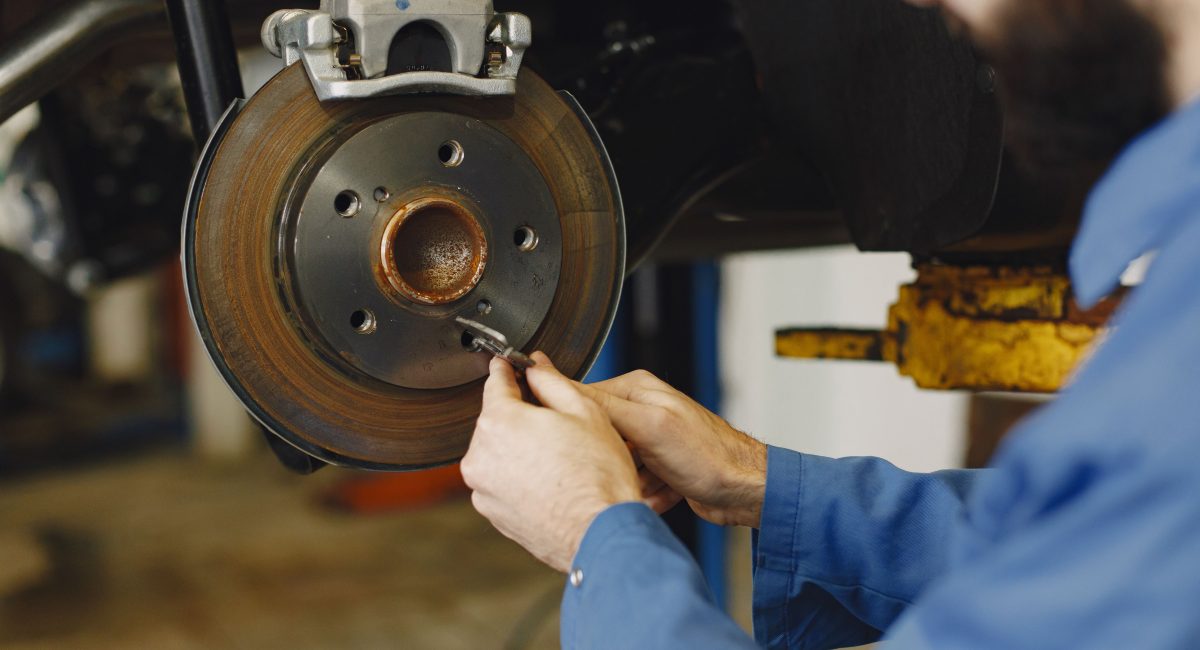
Understanding Your Vehicle's Brake System
A modern braking system consists of several components working together. Brake pads create friction against the brake discs or rotors, while calipers apply the necessary pressure. Brake fluid transfers hydraulic pressure through the system when the pedal is pressed.
Depending on the vehicle, other components may also contribute to braking performance and electronic safety systems.
During Brake and Clutch inspections, the condition of relevant brake components can be assessed rather than assuming that the most obvious symptom automatically identifies the faulty part.
For example, a noise does not always mean the brake pads are the only issue. Disc condition, caliper operation, wear patterns and other factors may need to be considered.
Brake Pads, Rotors and Calipers
Brake pads are designed to wear over time. Their service life depends on factors such as driving conditions, vehicle weight, traffic patterns and driving habits.
Rotors, also known as brake discs, can also experience wear. Surface condition, thickness and other signs of deterioration may need to be assessed when brake work is required.
Calipers are responsible for applying the pads against the rotor. Problems with caliper operation can contribute to uneven braking, accelerated pad wear or other performance concerns.
A proper brake inspection considers how these components work together.
The Importance of Brake Fluid
Brake fluid is an essential part of a hydraulic braking system. When you press the brake pedal, hydraulic pressure is transmitted through the brake fluid to operate the braking components.
Brake fluid can deteriorate over time and may require inspection or replacement according to the vehicle’s maintenance requirements.
If the brake pedal feels different from normal, particularly if it feels soft or spongy, the vehicle should be assessed rather than continuing to drive and hoping the condition improves.
Clutch Problems Can Develop Gradually
Manual transmission vehicles rely on the clutch to engage and disengage engine power from the gearbox. A healthy clutch should allow smooth engagement and predictable gear changes.
As clutch components wear, drivers may notice changes in the way the vehicle accelerates or changes gears.
Common clutch symptoms include:
- Clutch slipping during acceleration
- Difficulty selecting gears
- A clutch pedal that feels different
- Juddering when moving away
- Unusual noises when operating the clutch
- A burning smell after driving
- The engine revving without a corresponding increase in speed
- Difficulty engaging or disengaging the clutch
These symptoms can have different causes, so accurate diagnosis is important before deciding what parts need to be replaced.
Skilled technicians
Best quality parts
Quality Equipment
What Does Clutch Slipping Feel Like?
Clutch slipping can be particularly noticeable when accelerating or driving uphill. The engine may increase in revs without the vehicle gaining speed as expected.
A worn clutch disc is one possible cause, but diagnosis should consider the complete clutch system rather than automatically replacing one component.
Depending on the vehicle and the fault, the clutch assembly may include several components that work together, including the clutch disc, pressure plate and release mechanism.
When arranging Brake and Clutch repairs, explaining exactly when the symptom occurs can help the technician investigate the issue more effectively.
Gear Changes, Pedal Feel and Driving Behaviour
Changes in clutch pedal feel can provide useful information. A pedal that becomes unusually hard, soft or difficult to operate may indicate that the clutch system requires inspection.
Likewise, difficulty selecting gears should not automatically be treated as a gearbox problem. The clutch and associated components can influence how effectively gears can be engaged.
Drivers should pay attention to changes rather than waiting until the vehicle becomes impossible to drive.
Early assessment does not necessarily mean an immediate major repair. It simply provides an opportunity to understand the cause and determine the appropriate next step.
Brake and Clutch Repairs for Stop-Start Driving
Driving around busy urban areas can involve frequent braking, repeated gear changes and constant acceleration and deceleration.
This type of driving can place considerable demands on brakes and clutches over time. Short trips, traffic congestion, hills and repeated stopping can all contribute to component wear.
For drivers around Rockdale, regular vehicle use means brake and clutch condition should form part of ongoing maintenance.
Customers travelling from Hurstville, Arncliffe, Kogarah and surrounding areas can access the workshop for inspections and related mechanical repairs.
Diagnosis Before Replacement
One of the most important parts of effective Brake and Clutch servicing is determining why a problem is occurring.
A noise, vibration or change in pedal feel is a symptom rather than a complete diagnosis.
For example, vibration during braking may have more than one possible cause. Similarly, clutch slipping may involve different components or operating conditions.
A proper assessment helps identify the source of the problem before repair decisions are made. This can help prevent unnecessary parts replacement and ensures the recommended repair is relevant to the actual condition of the vehicle.
A new noise
A dashboard warning
A change in handling
Starting difficulties
Fluid leaks
Reduced performance
Why Choose Rockdale Automotive Repairs?
Choosing a workshop for Brake and Clutch work means choosing a business that can properly assess the vehicle rather than simply replacing parts based on a symptom.
Rockdale Automotive Repairs has been operating for more than 10 years and provides automotive repairs and servicing for a wide range of vehicles. The workshop operates from 188 Princes Highway, Arncliffe NSW 2205, with access via Marinea Lane.
Customers from Banksia, Brighton-Le-Sands, Bexley and Bardwell Valley can also access the workshop for automotive servicing and repairs.
Our approach focuses on:
- Careful assessment of brake and clutch symptoms
- Identifying the underlying cause
- Quality replacement components where required
- Straightforward explanations
- Clear communication about additional repairs
- Practical maintenance advice
- Professional mechanical workmanship
- Servicing for a wide range of vehicles
Keep Your Brakes and Clutch Performing Properly
Your vehicle depends on predictable braking and smooth drivetrain operation every time you drive. Brake and Clutch problems should not be ignored simply because the vehicle is still moving normally. Early inspection can help identify worn components, understand unusual symptoms and determine the appropriate repair before the issue becomes more disruptive.
At Rockdale Automotive Repairs, we provide brake inspections, brake repairs and clutch-related servicing with a practical focus on diagnosis, quality workmanship and clear communication. If you have noticed changes in braking, pedal feel, gear selection or clutch operation, arrange an assessment to understand what your vehicle needs.
Frequently asked questions
Squealing, grinding, vibration, pulling, a soft pedal, warning lights or reduced braking performance can indicate that your braking system needs inspection. Some brake wear may not produce obvious symptoms, which is why routine servicing is also important.
There is no single lifespan that applies to every clutch. Clutch life depends on driving habits, traffic conditions, vehicle type, load and how the vehicle is operated. Frequent stop-start driving and excessive clutch use can contribute to increased wear.
It depends on the cause and severity of the noise. Persistent squealing, grinding or other unusual braking sounds should be investigated rather than ignored. If braking performance has also changed, arrange an inspection as soon as practical.
A worn clutch assembly is one possible cause of slipping. Other components or operating conditions may also contribute, so proper diagnosis is recommended before deciding what needs replacement.
Yes. Brake condition can form part of routine vehicle inspections, while clutch operation can also be assessed when symptoms or concerns are reported. More specific problems may require additional diagnostic inspection.