
Cooling System Repairs in Rockdale
Your vehicle’s cooling system has one essential job: keeping the engine operating within its correct temperature range. When coolant levels drop, a hose develops a leak, a thermostat fails or the radiator cannot dissipate heat effectively, engine temperature can rise quickly. Ignoring these warning signs may turn a relatively manageable fault into major engine damage.
At Rockdale Automotive Repairs, our Cooling System Repairs are focused on finding the reason your vehicle is overheating, losing coolant or showing unusual temperature behaviour. We work on a wide range of vehicles and provide practical mechanical diagnosis and repairs for drivers in Rockdale and surrounding suburbs. The workshop has operated for more than 10 years and includes cooling system work within its broader automotive repair services.
Why Engine Temperature Matters
An internal combustion engine produces substantial heat while operating. The cooling system manages that heat by circulating coolant through the engine and transferring excess temperature away through components such as the radiator.
When this process is disrupted, the engine may begin running hotter than intended.
An overheating engine should never be treated as a minor inconvenience. Continuing to drive while the temperature is too high can increase the risk of serious mechanical problems, particularly if the underlying fault remains unresolved.
Common warning signs include:
- Temperature gauge rising above its normal position
- Coolant warning lights appearing
- Steam or vapour from under the bonnet
- A sweet or unusual coolant smell
- Visible coolant leaks
- Coolant levels repeatedly dropping
- The engine running hotter than usual
- A radiator fan operating unusually often
- Poor cabin heater performance
- Unusual noises from the cooling system
If you notice a significant temperature increase, it is better to have the vehicle assessed rather than continuing to drive and hoping the problem disappears.
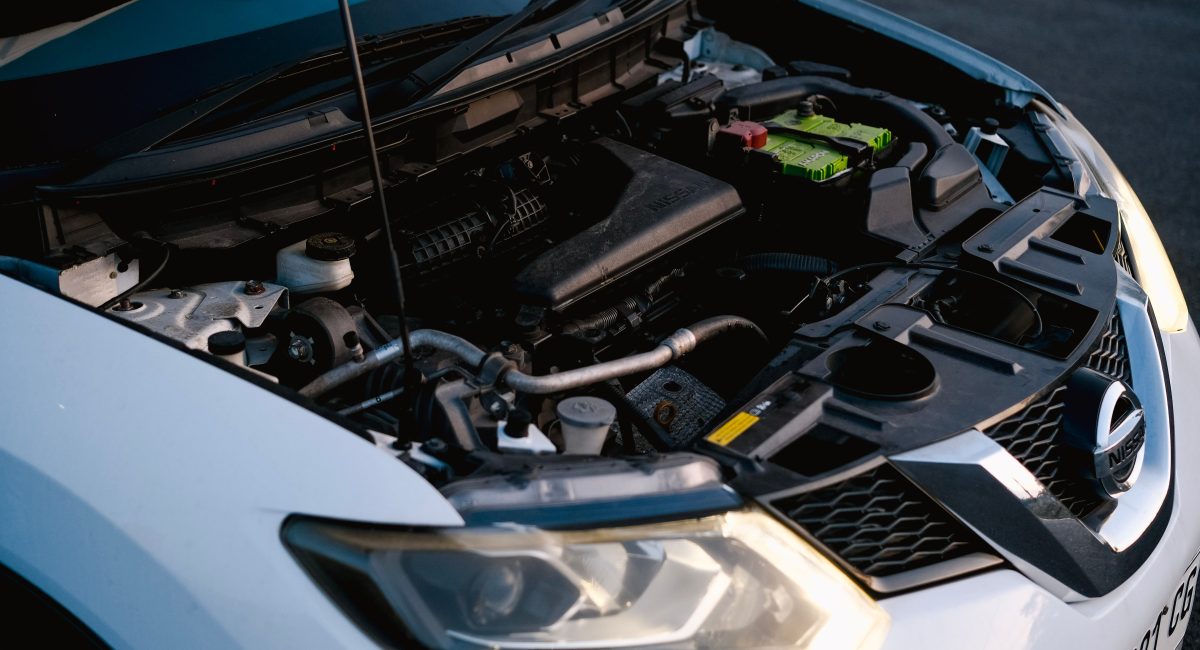
Understanding the Cooling System
A vehicle’s cooling system consists of several components that must work together. Coolant needs to circulate correctly, the radiator must be able to release heat, and temperature-control components must operate at the appropriate time.
Depending on the vehicle, the system can include:
- Radiator
- Coolant reservoir
- Water pump
- Thermostat
- Radiator hoses
- Cooling fans
- Radiator cap
- Heater core
- Coolant temperature sensors
- Associated pipes, seals and connections
A problem with one component can affect the performance of the wider system. This is why effective Cooling System Repairs begin with diagnosis rather than automatically replacing the most obvious component.
Radiator Problems and Heat Transfer
The radiator is responsible for transferring heat from the engine coolant to the surrounding air. As coolant circulates through the radiator, heat is released before the coolant returns to the engine.
A radiator can develop problems through age, corrosion, physical damage, internal restriction or leakage.
Possible indications of radiator trouble include:
- Repeated overheating
- Coolant loss
- Visible leaks
- Corrosion around radiator components
- Temperature fluctuations
- Reduced cooling performance
A radiator problem should be investigated promptly. Continuing to operate an overheating vehicle can place unnecessary stress on the engine.
Skilled technicians
Best quality parts
Quality Equipment
Coolant Leaks Should Not Be Ignored
A cooling system needs the correct amount of coolant to operate effectively. A leak can gradually reduce coolant levels until the system is unable to manage engine temperature properly.
Leaks may occur from hoses, connections, the radiator, water pump or other cooling system components.
Some leaks are easy to notice because coolant may be visible underneath the vehicle. Others may only become apparent when the engine is hot or the system is under pressure.
If you regularly need to top up coolant, this should not be considered normal maintenance. Repeated coolant loss is a reason to investigate the system.
Our Cooling System Repairs can involve identifying the source of coolant loss and determining which component requires attention.
Hoses, Connections and Seals
Cooling system hoses operate in a demanding environment. They are exposed to heat, pressure and constant circulation of coolant.
Over time, hoses can become brittle, soft, cracked or otherwise deteriorated. Connections and seals can also develop leaks.
A hose that appears acceptable from a quick visual inspection may still have weakened areas, particularly around connections or bends.
During an inspection, relevant hoses and connections can be assessed for signs of deterioration, leakage or damage.
Replacing a worn component at the appropriate time may help prevent a more inconvenient failure on the road.
Thermostat and Temperature Regulation
The thermostat helps control coolant circulation as the engine reaches operating temperature. If it does not open or close correctly, the engine may not maintain the appropriate temperature.
A thermostat problem can produce different symptoms depending on the way it fails.
A thermostat that remains closed can restrict coolant circulation and contribute to overheating. A thermostat that remains open may cause the engine to operate below its intended temperature for longer than it should.
Temperature fluctuations should therefore be investigated rather than assuming they are simply caused by outside weather conditions.
Water Pump and Coolant Circulation
The water pump helps circulate coolant through the engine and cooling system.
If the pump is worn or fails, coolant circulation can be affected. Depending on the vehicle and the nature of the fault, this may result in overheating, coolant leakage or unusual noises.
Because several cooling system faults can produce similar symptoms, diagnosis is important before deciding that the water pump is responsible.
A proper assessment can help determine whether the issue relates to circulation, leakage, temperature regulation, airflow or another part of the system.
Cooling Fans and Airflow
The cooling system also depends on adequate airflow through the radiator. Cooling fans help maintain airflow when natural airflow through vehicle movement is insufficient.
A problem with a cooling fan, fan motor, relay, wiring or related control system may affect cooling performance, particularly when the vehicle is stationary or moving slowly.
If your vehicle overheats in traffic but behaves differently at higher speeds, this information can be useful when diagnosing the problem.
Tell your mechanic when overheating occurs, how quickly the temperature rises and whether the vehicle returns to its normal temperature once you begin driving again.
What Causes a Vehicle to Overheat?
Overheating can have many possible causes. It is not always the result of low coolant.
Potential causes can include:
- Coolant leaks
- Faulty thermostat
- Damaged radiator
- Water pump problems
- Cooling fan faults
- Restricted coolant flow
- Deteriorated hoses
- Faulty temperature sensors
- Poor coolant condition
- Problems with related engine components
This is why replacing a single component without diagnosing the cause can be an ineffective approach.
At Rockdale Automotive Repairs, cooling system problems are part of the workshop’s general mechanical diagnostic and repair capability. The existing service information states that the workshop uses diagnostic equipment to identify faults rather than relying on guesswork.
A new noise
A dashboard warning
A change in handling
Starting difficulties
Fluid leaks
Reduced performance
A Workshop for Cooling and General Mechanical Repairs
Cooling problems can sometimes involve more than one vehicle system. A temperature issue may occur alongside an electrical fault, belt problem, mechanical concern or another issue requiring further investigation.
Rockdale Automotive Repairs is a general automotive workshop servicing most cars, utes and light commercial vehicles. Its service offering includes mechanical repairs, logbook servicing, brake and clutch work, cooling system repairs and exhaust services.
Having broader mechanical capability allows cooling concerns to be considered in the context of the vehicle as a whole.
When Should You Book Cooling System Repairs?
You should arrange an inspection if your vehicle:
- Runs hotter than normal
- Loses coolant repeatedly
- Shows a temperature warning
- Develops a coolant leak
- Produces unusual smells
- Has steam coming from the engine bay
- Overheats in traffic
- Has an inconsistent temperature gauge
- Develops unusual cooling-system noises
- Requires frequent coolant top-ups
If the vehicle is overheating significantly, avoid driving it unnecessarily. An inspection can determine whether the vehicle can be safely driven and what repair is required.
Keep Your Engine Running at the Right Temperature
Your vehicle’s cooling system works continuously to control engine temperature, making its condition important for everyday reliability. A small coolant leak, deteriorated hose or faulty thermostat can eventually lead to overheating if the underlying problem is ignored.
At Rockdale Automotive Repairs, our Cooling System Repairs focus on identifying the cause of cooling problems and carrying out the appropriate mechanical work. From coolant leaks and radiator concerns to thermostat, water pump, hose and cooling fan issues, proper diagnosis can help protect your vehicle from avoidable engine damage.
If your temperature gauge is behaving differently, coolant is disappearing or your vehicle has started overheating, arrange an inspection rather than waiting for the problem to become a breakdown.
Frequently asked questions
Common signs include overheating, coolant loss, temperature fluctuations, unusual coolant smells, visible leaks, steam from under the bonnet and cooling fans operating differently from normal.
The correct coolant replacement interval depends on the vehicle manufacturer and the coolant specification used. It is best to follow the servicing requirements for your particular vehicle rather than applying one interval to every car.
Continuing to drive an overheating vehicle can cause serious engine damage. If the temperature rises abnormally or a warning appears, stop safely and seek professional advice rather than continuing to drive.
Coolant loss can be caused by leaks from hoses, radiator components, connections, the water pump or other parts of the cooling system. A professional inspection can help locate the source.
Overheating in traffic can have several causes, including cooling fan problems, restricted airflow, coolant circulation issues or other cooling system faults. The pattern of overheating can help with diagnosis.